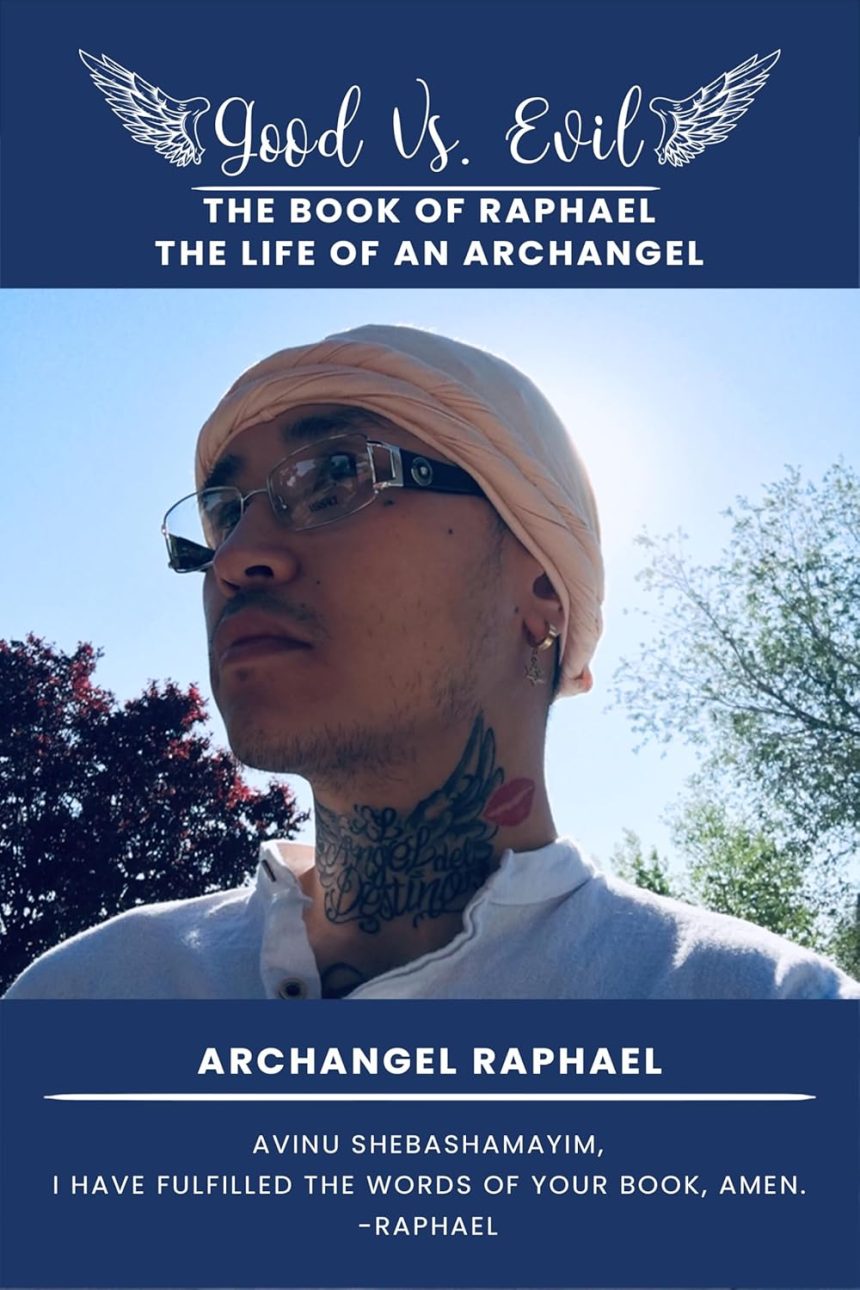

Every athlete whether a professional competitor, a student player, or a lifelong sports enthusiast knows that greatness is forged in adversity. Championships are not won on easy days. They’re earned through pain, grit, resilience, and the relentless refusal to give up. “Good vs. Evil: The Book of Raphael” captures this warrior spirit more powerfully than many sports memoirs, even though it is not a book about sports at all. It is a story of survival, endurance, and unimaginable inner strength the same qualities that define extraordinary athletes.
Raphael’s journey begins in hardship. Born into a Southeast Asian immigrant family struggling to survive, his early life resembles the foundation of many elite athletes who rise from nothing to become icons. Trauma, instability, and emotional wounds shape his childhood, but they also mold the mental toughness he carries throughout his story. The most devastating blow comes early: the moment Raphael is told he “should never have been born.” This emotional injury becomes the first major “hit” he ever takes, and it echoes like the first hard fall a young athlete experiences on the field. It hurts but it also ignites something inside him.
Like athletes who begin their training in adversity, Raphael’s early challenges create the foundation for his endurance. As he enters adolescence, he becomes involved in violence, street survival, and high-pressure environments. This phase of his life mirrors the intense mental conditioning that elite competitors must undergo learning to stay calm under pressure, to adapt quickly, and to make decisions in life-or-death moments.
But the defining moment of Raphael’s warrior spirit comes during his incarceration. In a near-fatal attack inside prison, Raphael is stabbed repeatedly his back sliced open, his arm torn, his chest nearly punctured by an ice pick. The scene unfolds with the intensity of a championship match taken to the brink of collapse. Yet Raphael survives. He refuses to surrender. He continues fighting even as blood pools beneath him and his vision blurs. Athletes who have played through injury, exhaustion, or personal crisis will recognize this instinct: that unstoppable drive to keep going when everything else says stop.
This is the heart of Raphael’s story and the essence of why his memoir resonates so deeply with sports-minded readers. His resilience mirrors the greatest comeback stories in sports history. Like athletes who rise from devastating injury, heartbreaking defeat, or career-threatening setbacks, Raphael rebuilds himself mentally, emotionally, and spiritually.
But what sets Raphael’s journey apart is the revelation of his true identity. He is not just a man; he is an archangel. A celestial warrior. A protector in a divine battle between good and evil. This supernatural layer adds a powerful metaphor for the athlete’s internal battle the war between doubt and confidence, weakness and strength, fear and courage. Raphael’s battles in heaven, described with cinematic intensity, mirror the battles on the field: high stakes, fierce opponents, and the internal belief required to win.
Like athletes who perform not merely for victory, but for purpose, Raphael fights with an identity greater than himself. His divine mission reflects the mindset of elite competitors who understand that they represent more than their own ambition they represent teams, communities, families, and legacies.
The memoir also captures the emotional side of competition: the loneliness, the pressure, the moments of questioning one’s worth. Athletes understand these battles better than anyone. Raphael’s journey becomes a reminder that the strongest athletes are those who win battles both on and off the field.
Eventually, “Good vs. Evil: The Book of Raphael” is a story about the champion within us. It celebrates the ability to overcome adversity, to rise after being knocked down, and to find strength in identity and purpose. Raphael’s resilience reflects the spirit of sports: perseverance, discipline, and the heroic comeback.
For readers who love sports, competition, and stories of survival, Raphael’s journey offers a powerful reminder: the greatest victories are not the ones the world sees but the ones fought inside the heart.
Read the full inspiring story on Amazon KDP: https://www.amazon.com/dp/B0F1W5H6K3
The Fight of a Lifetime: How Raphael’s Journey Mirrors the Athlete’s Unbreakable Spirit
Raphael’s journey mirrors the athlete’s mindset—resilience, endurance, purpose, and the refusal to surrender, even in life’s darkest moments.