

In a country where Sunday football, midweek pickup hoops, and weekend 5Ks all share real estate on the same calendar, “core work” has always sounded more like a chore than a highlight. Crunches hurt, sit-ups get old, and most athletes would rather run routes or take batting practice than stare at the floor doing planks.
Pure Plank is trying to change that—not with a fad workout or a flashy gimmick, but with a surprisingly simple board, a smart-training app, and a pair of world-champion pro wrestlers who rebuilt their own bodies from the ground up.
From WWE/AEW Legends to American Garage Start-Up
Pure Plank started in the most American way possible: two friends, a garage, and a problem to solve.
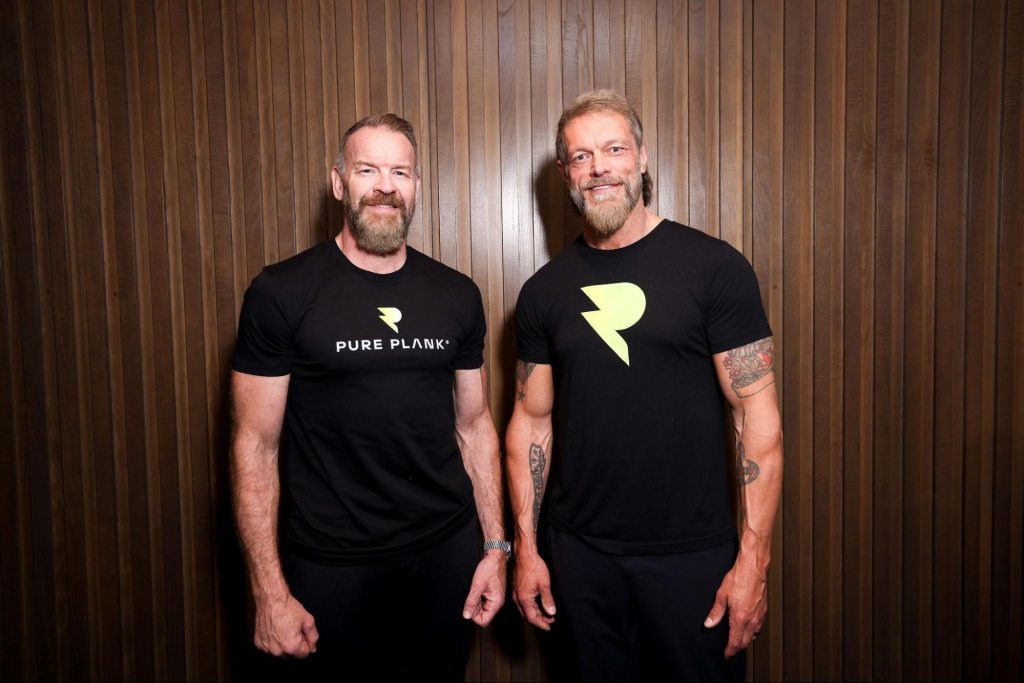
Adam Copeland and Jay Reso—better known to wrestling fans as Edge and Christian Cage in WWE and now in AEW—have spent decades slamming into canvases, guard rails, and ladders. Those years delivered championships and iconic moments, but also neck issues, leg injuries, and the kind of day-to-day pain that makes tying your shoes feel like a workout.
When Copeland began his comeback journey, he turned to a basic, brutal move: the plank. He’s talked about starting with two-minute planks, feeling his core get stronger even as his elbows and shoulders screamed from all the time spent on the floor.
Reso, meanwhile, admitted he couldn’t even hold a plank for 30 seconds at first. Together, they realized they didn’t need a whole new exercise—they needed a better way to do one of the best ones.
So the two champions did what they’d done in the ring for years: they tag-teamed a solution. They sketched a board on paper, then refined and prototyped it until they had something that supported proper plank posture, protected joints, and made core work feel less like punishment and more like a session you might actually look forward to.
The result was Pure Plank.
The Board That Turns Three Minutes into a Full-Body Statement
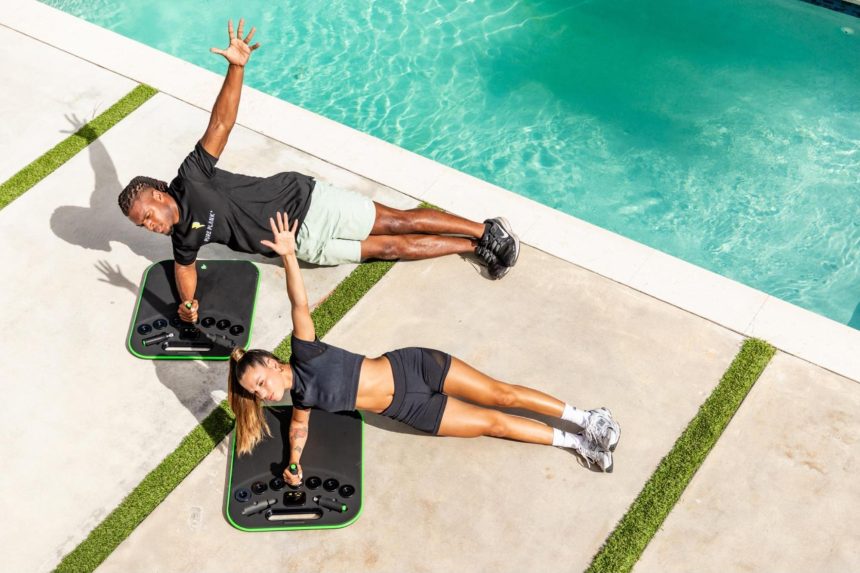
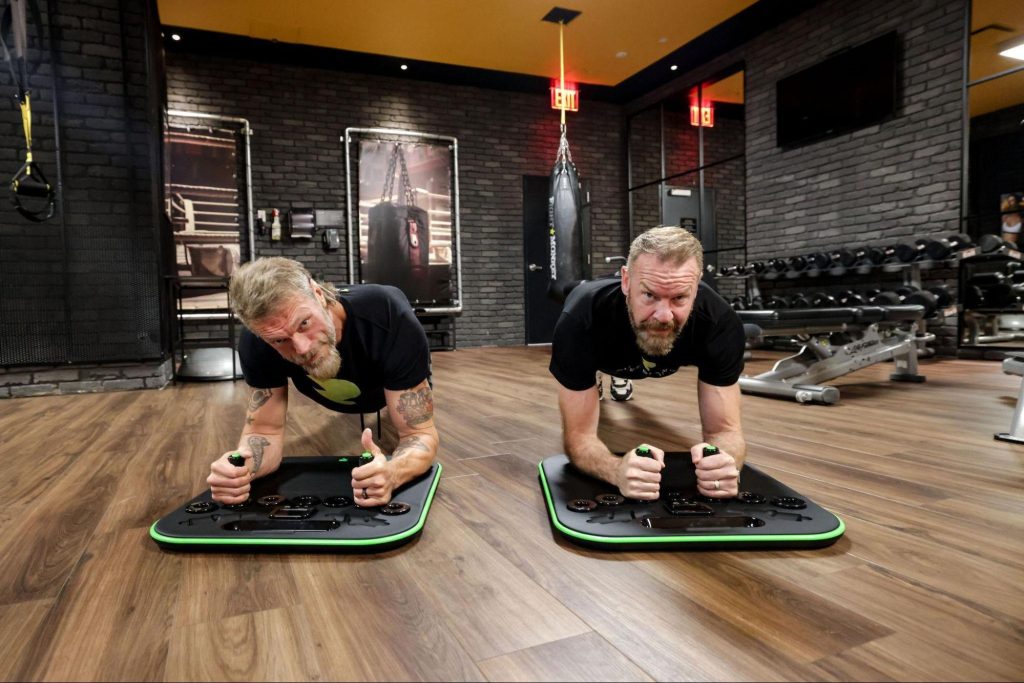
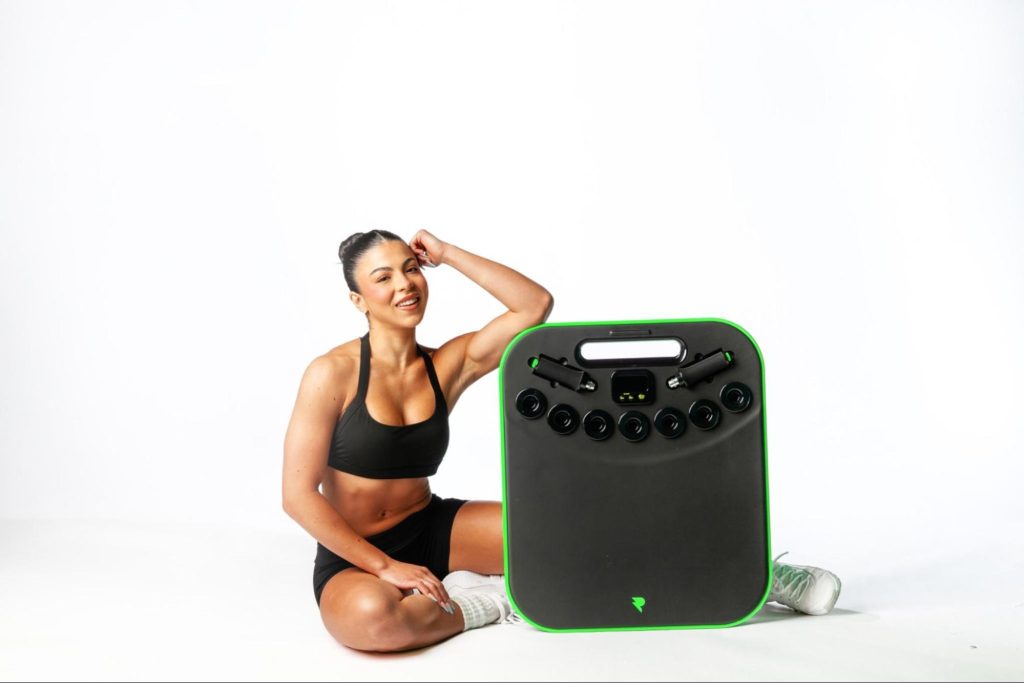
At first glance, the Pure Plank board looks like sleek gym hardware: a low, slim profile with a wide rubberized surface and bold detailing. But it’s the details that make it a tool instead of a toy.
According to the brand, the board is built around:
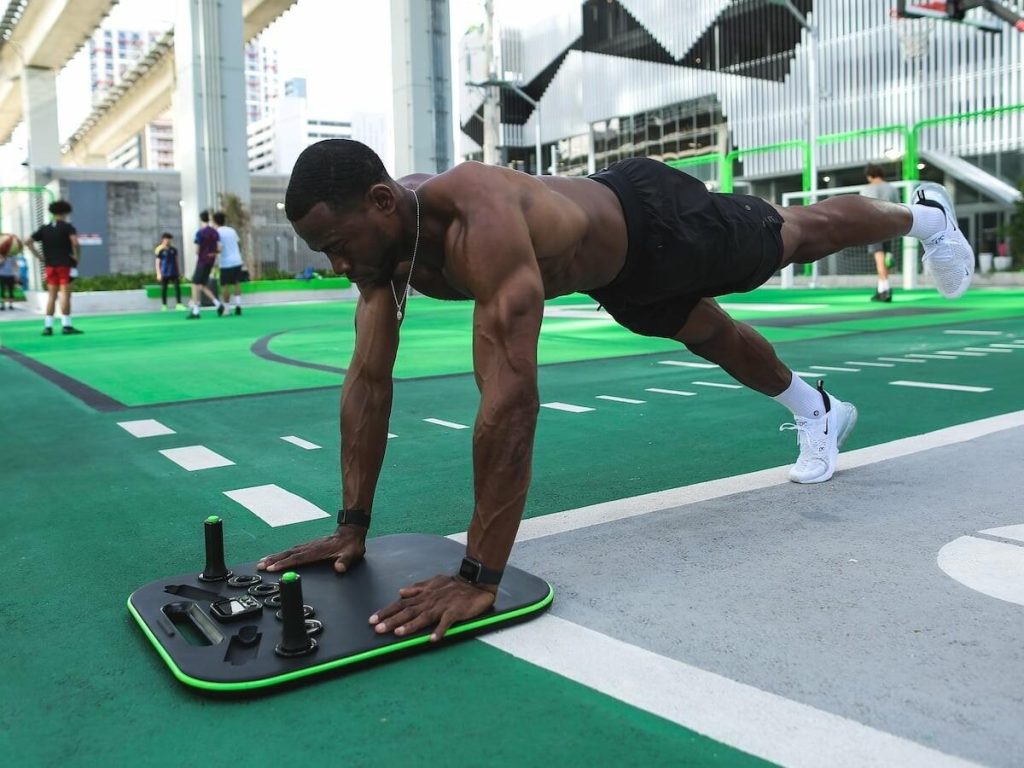
- Signature soft rubber padding to reduce pressure on elbows and shoulders and make longer planks actually tolerable.
- Adjustable ergonomic steel handles that can be attached or removed, letting everyone from beginners to pro athletes find a stable, comfortable position.
- A detachable magnetic timer that locks into the board so you can see your countdown without breaking form.
- A slim, travel-friendly design, making it easy to throw in the car or tuck under a bed—perfect for athletes who live on the road and weekend warriors with limited space.
Pair that with the Pure Plank mobile app, which offers guided plank-based workouts, challenges, and progress tracking. The company leans hard into the idea that a focused plank routine can deliver a full-core workout in as little as about three minutes a day—something that fits whether you’re a college athlete, a busy parent, or a former champion sneaking in training on the road.
A Core Comeback Story That Mirrors the ‘American’ Sports Dream
On the company’s “Core Comeback” page, Pure Plank frames the product as more than just a board, it’s a second chance. Now in their 50s, after surgeries and years of physical wear, Copeland and Reso got back into peak condition and returned to the top of their profession, crediting smart core work as a foundation of that journey.
It’s a narrative that resonates far beyond wrestling. In the U.S., where “Dad Bod vs. comeback season” might as well be its own sports rivalry, the pair’s story has landed them coverage in places like Forbes and Fox outlets, positioning Pure Plank as a home-grown fitness brand built by athletes who actually needed what they created.
They’re not tech founders in hoodies; they’re two guys who got beat up by life and the ring, realized the traditional path to core strength was wrecking their joints, and did what a lot of everyday Americans are trying to do: stay strong, stay mobile, and stay in the game as the years pile up.
From TV Screens to Locker Rooms Across the U.S. and Canada
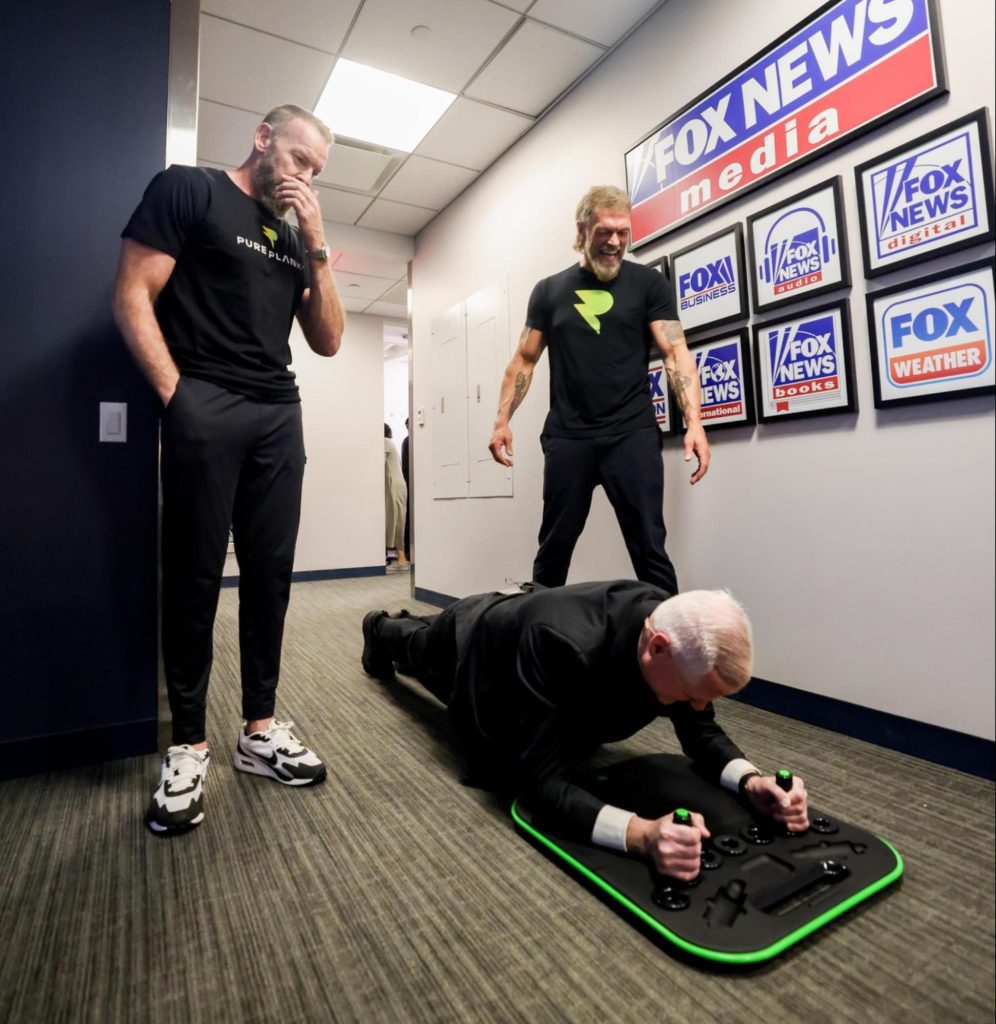
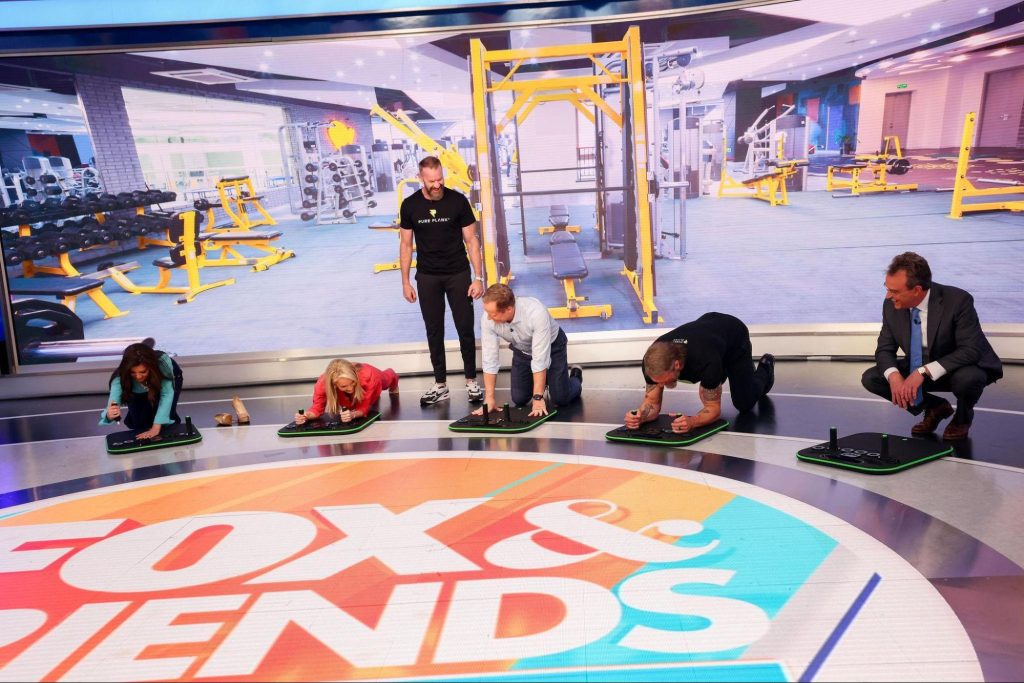
Pure Plank isn’t just living online. Copeland and Reso have taken the board on the road, appearing on shows like Fox & Friends and Good Morning Football, giving viewers a demo of their “built for everybody” approach—emphasizing that the board is designed for all levels, from beginners to serious competitors; Even Copeland’s wife Beth Copeland aka Beth Phoenix, a decorated former WWE champion, has joined in on the fun on these programs.
Behind the scenes, the brand’s reach into all demographics and the wider sports world is growing. Fans First Sports Network recently reported that Pure Plank boards are finding their way into:
- D1 college programs, where strength coaches are always hunting for joint-friendly ways to build durable cores.
- Major League Baseball Hall-of-Famers, who value anything that supports rotational power without hammering their backs.
- MMA fighters, for whom anti-rotation strength and trunk stability are practically survival skills.
Pure Plank CEO Ryan Carter summed it up simply: the board turns core training into something athletes want to do. It hits deep stabilizing muscles without beating up the joints, so it fits cleanly into warm-ups, cooldowns, or active recovery. From garage gyms in Ohio to training facilities in Florida and college weight rooms across the Midwest, the board is quietly becoming part of the new normal for core work in North American sport.
The App Era: Gamifying the Hardest Part of Training
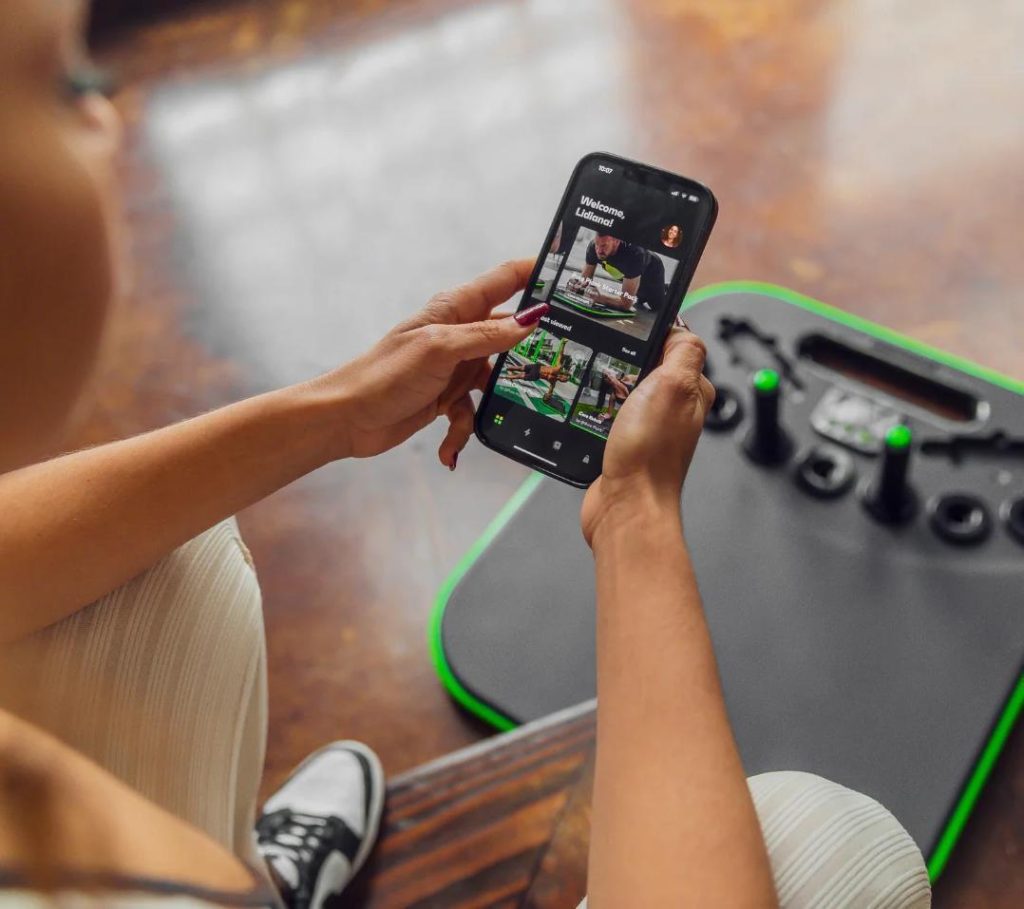
In modern American fitness, hardware rarely stands alone. Pure Plank’s companion app connects the board to the digital routines athletes now expect.
The app offers:
- Customizable plank routines that can scale from a true beginner to a seasoned athlete.
- Goal-oriented challenges, letting users track time, endurance, and streaks—perfect for competitive personalities who respond to leaderboards and personal records.
- Instructional content that teaches proper form and offers variations, which is critical for avoiding compensations and injury when planking.
This is where Pure Plank slots neatly into the broader U.S. / Canadian fitness and sports-tech boom. You’ve got wearables tracking sleep and recovery, nutrition apps logging macros, and now a dedicated tool that finally treats planking with the same seriousness as lifting or sprint work.
More Than a Wrestler’s Toy: A Tool for Every Kind of Athlete
Though its founders are wrestling icons, Pure Plank isn’t just for fans of suplexes and ladder matches. The board hits a common need across almost every American (and Canadian) sport:
- Football & basketball: linemen, skill players, and guards all rely on trunk stability to transfer force, protect their spine, and make sharp cuts.
- Baseball & softball: rotational power starts at the core, not the arms. Strong, stable midsections are what turn a swing or pitch into exit velocity and command.
- Soccer, track, and endurance sports: a strong core keeps form from falling apart late in games and races.
- Everyday athletes: from rec-league parents to retired pros, core strength is what keeps backs from barking during everyday life.
Fans First Sports described the board’s appeal as stretching from “pros rehabbing injuries to weekend warriors chasing consistency,” capturing that blend of high-performance and accessibility that so many American fitness brands chase, and that Pure Plank is actually delivering.
A New Kind of American Fitness Brand
At its heart, Pure Plank feels distinctly of this era in U.S. sports and fitness:
- Born from lived experience, not a focus group—two pros solving their own rehab problem.
- Backed by real-world adoption, from AEW locker rooms to college weight rooms and home gyms.
- Built for all levels, yet credible at the very top of sport.
It’s not trying to replace barbells or cardio. It’s carving out a lane as the go-to tool for one of the most important, least-loved parts of training: committed, intelligent core work.
For Adam Copeland and Jay Reso, Pure Plank is the physical manifestation of their own comeback—a reminder that you don’t have to accept the story that age and injury write for you. For athletes across the United States and Canada, it’s becoming something else: proof that sometimes the smartest play isn’t adding another complicated move.
Sometimes, it’s just getting on board, locking in your plank, and letting three focused minutes change everything from your posture to your performance.
Buy yours by clicking here.