



The sports industry is a multi-billion-dollar business that thrives on leadership, strategy, and innovation. Sports executives are at the helm of this dynamic industry—professionals responsible for making crucial decisions that shape teams, leagues, and organizations.
In the world of sports, strong leadership and effective management are essential for achieving success. The ability to guide teams, make strategic decisions, and inspire others can make all the difference. Sports management professionals need more than a love for the game—they must possess leadership skills that drive teams toward victory and organizational success. Chen Yang’s journey exemplifies how leadership, cultural intelligence, and integrity can translate individual expertise into team-wide impact. His path from athlete representation to senior club management offers a rare look at how modern sports organizations are built from the inside out.
Growing up with a deep interest in sports and later studying in the United States, Chen Yang was exposed early to the intensity and structure of American sports culture. While living in Boston, frequent visits to live games reinforced his desire to work within the industry. Upon returning to China, he seized every opportunity to build practical knowledge across language, culture, and professional sports operations. As China prepared the 2008 Olympics, this growing expertise positioned him at the right place at the right time. A chance opportunity soon led him to work as a translator for Stephon Marbury, a moment that would ultimately define the next stage of his career.
Following Marbury’s transition from player to head coach, Chen Yang likewise moved from agent to club executive, taking on the role of vice general manager. The shift marked a defining moment in his career—from focusing on one superstar to overseeing entire team operations—highlighting a leadership trajectory shaped by experience, credibility, and an ability to unify people across roles and cultures.
Yang also played a central role in shaping Marbury’s long-term presence in China through youth training programs and media projects. Yang managed Marbury’s domestic media presence—from guest appearances to building his social-media ecosystem across Weibo and Douyin. When TV producers approached for a one-time cameo, Yang negotiated for Marbury to become a permanent mentor. “We didn’t want to do publicity for the sake of it. We wanted him to genuinely inspire young players.” When Marbury retired and became head coach of Beijing Royal Fighters, Yang transitioned to vice general manager. Now he wasn’t just managing one athlete but an entire organization—from contracts and bonuses to logistics and team morale.
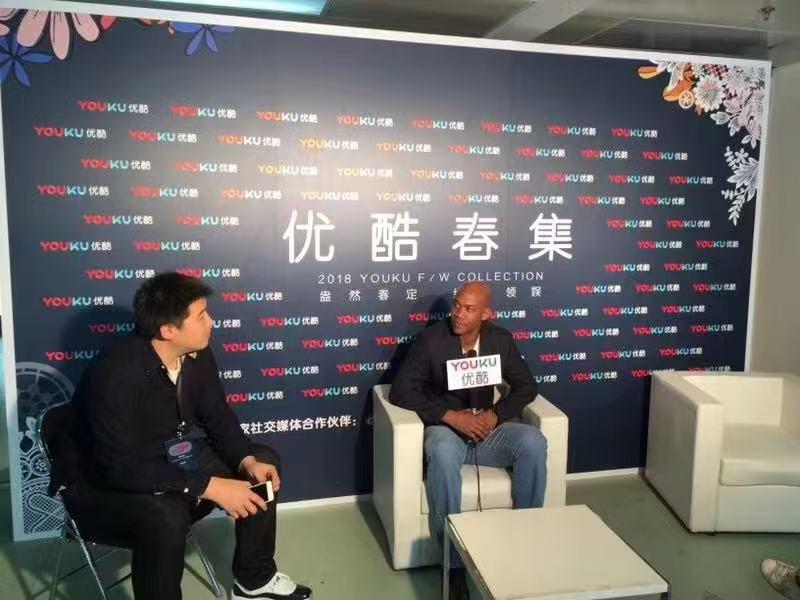
At the core of Chen Yang’s career is a clear management philosophy: sincerity and fairness. As Stephon Marbury moved from Shanxi to Foshan and later to Beijing, Yang’s role evolved rapidly. What began as language support expanded into full-spectrum athlete management.
Under Chen Yang’s leadership, Beijing achieved unprecedented success, winning three CBA championships in four years, transforming both team culture and competitive expectations.
Behind the results was disciplined risk management. During the first championship run, Marbury played through a fractured left big toe—an injury with serious career implications. The decision to keep the injury confidential was strategic, balancing player protection with team stability. Yang’s role during this period extended beyond logistics, managing information flow, expectations, and long-term risk at both player and organizational levels.
The most significant transition came with Yang’s move into club management as vice general manager of Beijing Royal Fighters. The scope of responsibility expanded from individual representation to full organizational leadership. Ownership, executives, coaches, players, logistics, equipment, finance—all fell within a single operational framework. During a critical restructuring period, Yang led a complete contract rebuild, traveling to 17 cities in one month to sign 14 players, often navigating simultaneous negotiations with athletes, agents, and team owners. What appeared unfeasible under time constraints was executed through preparation, persistence, and decisiveness.
Together, these experiences define Chen Yang not simply as a former agent or translator, but as a sports manager shaped by execution under pressure. For Chen Yang, sincerity remains the foundation of everything. “Looking back, every challenge, every long night of preparation built something lasting,” he reflects.
The hard moments fade, but what we built together stays.