


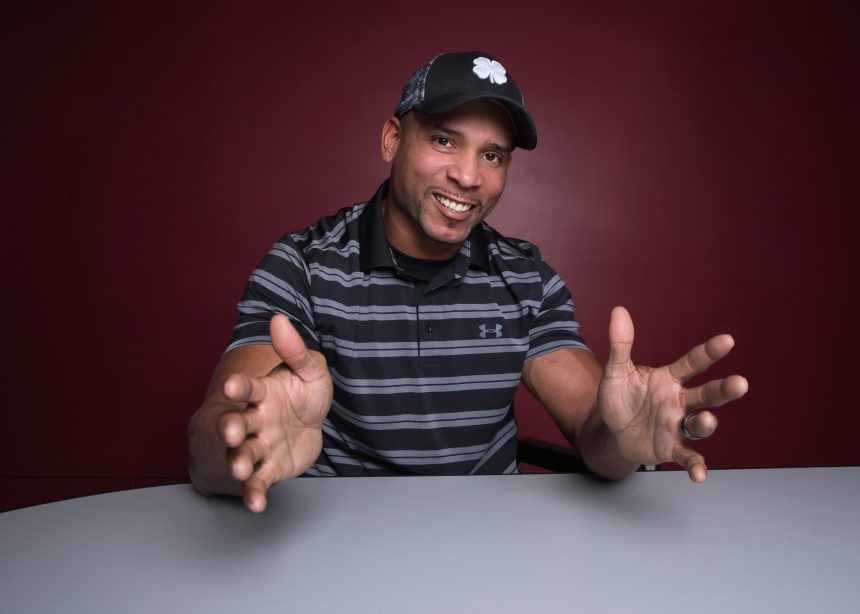
By Quatrell Walker
Athletes know pressure better than most. Every game, every race, every performance demands intense focus, resilience, and the mental fortitude to push past discomfort. But there’s one group that understands high-pressure performance on an even deeper level the military.
In Cut From a Different Cloth, the author’s military journey reveals mental strategies, discipline systems, and psychological frameworks that mirror athlete performance training with uncanny precision. The connection is undeniable: the mindset that wins battles is the same mindset that wins championships.
Why Military Discipline Translates Perfectly Into Sports
Military conditioning is not just physical, it is deeply mental. Soldiers are trained to stay composed in chaos, to respond rather than react, and to perform under conditions where fear, exhaustion, and uncertainty collide.
Athletes face their own battlefield:
- high-stakes tournaments
- fierce competitors
- performance anxiety
- injuries
- mental burnout
- public expectations
The principles used to build elite soldiers can elevate athletes from good to unstoppable.
1. The Power of Controlled Stress Exposure
In the military, stress isn’t avoided, it’s engineered. Training intentionally pushes individuals to their physical and psychological edge, because growth lives at the edge of discomfort.
Athletes can apply the same principle:
The body grows from tension; the mind grows from challenge.
Instead of fearing pressure situations, elite performers expose themselves to them regularly by:
- practicing under fatigue
- simulating game-day stress
- training with higher expectations
- preparing for adversity instead of avoiding it
The manuscript emphasizes this repeatedly: discomfort is not the enemy, it is the gateway to evolution.
2. The 3P Framework: Practice, Patience, Perseverance
One of the most powerful takeaways from the manuscript is the author’s “Three Ps” method, an elite discipline formula that aligns perfectly with peak athletic performance.
PRACTICE:
Repetition builds mastery.
Mastery builds confidence.
Confidence builds dominance.
Whether on a battlefield or a playing field, consistent training under the right conditions creates automatic excellence.
PATIENCE:
Success is not instant.
Neither is strength.
Neither is recovery.
Athletes often demand immediate progress, but the body and brain require time—and time spent is never wasted when the work is intentional.
PERSEVERANCE:
Every athlete encounters setbacks, injuries, losses, plateaus, self-doubt. What separates champions from the rest is perseverance: the decision to continue when quitting feels easier.
This trio; practice, patience, perseverance is a complete performance engine.
3. Identity Drives Performance
One of the manuscript’s most profound insights is that performance is tied to identity. When military members train, they don’t just adopt new skills they adopt a new identity: one of discipline, resilience, and unity.
Athletes must do the same.
If you want to perform like a champion, you must think like one.
Ask any elite performer from Kobe Bryant to Serena Williams and they’ll tell you: the game is 90% mental, 10% execution.
Building a champion identity means:
- maintaining elite standards
- embracing personal responsibility
- ignoring outside opinions
- practicing self-discipline
- embodying your goals in daily action
Identity is the root.
Performance is the fruit.
4. Emotional Regulation Under Pressure
Pressure triggers emotional responses that can either sharpen you or sabotage you. In the military, emotional regulation is non-negotiable. Losing composure can mean losing lives.
Athletes face their own emotional battles:
- fear of losing
- frustration with mistakes
- pressure from coaches or crowds
- internal self-doubt
The author describes learning to quiet the “noise” the doubt, fear, and negativity, to keep his focus locked on the mission. Athletes can benefit from the same discipline.
Breathing techniques, visualization, mindfulness, and mental rehearsal create calmness under fire just as they do under stadium lights.
5. The Right Team Elevates the Mission
Military success relies heavily on alignment with the right people, leaders, mentors, and teammates who share the mission and elevate performance.
The same applies in sports.
Winning teams are built on:
- accountability
- shared values
- mutual respect
- psychological safety
- collective discipline
One weak link can break the chain.
One strong link can strengthen the entire unit.
Champions don’t rise alone, they rise with aligned teams.
6. Reinvention After Setbacks
Many soldiers return home and must rebuild their identity after trauma or transition. The manuscript shares openly about returning home with PTSD, facing emotional wounds, and rebuilding confidence and purpose.
Athletes face similar turning points:
- career-ending injuries
- losing seasons
- major transitions
- identity crises after retirement
The key lesson:
Setbacks are not endpoints, they are invitations to reinvent.
Resilience is not innate.
It is built through intentional recovery, support systems, and consistent mindset work.
Final Takeaway: Pressure Doesn’t Break Champions, It Builds Them
Athletes thrive when they learn to embrace discomfort, regulate emotion, sharpen discipline, and persist through adversity. The military mindset isn’t about being fearless—it’s about acting despite fear, fatigue, and uncertainty.
Champions succeed because they train their minds as powerfully as they train their bodies.
Pressure isn’t the enemy, the proving ground.
TRAIN YOUR MIND LIKE A CHAMPION
Explore the full mindset transformation in Cut From a Different Cloth—available now on Amazon. https://a.co/d/6uO4xky